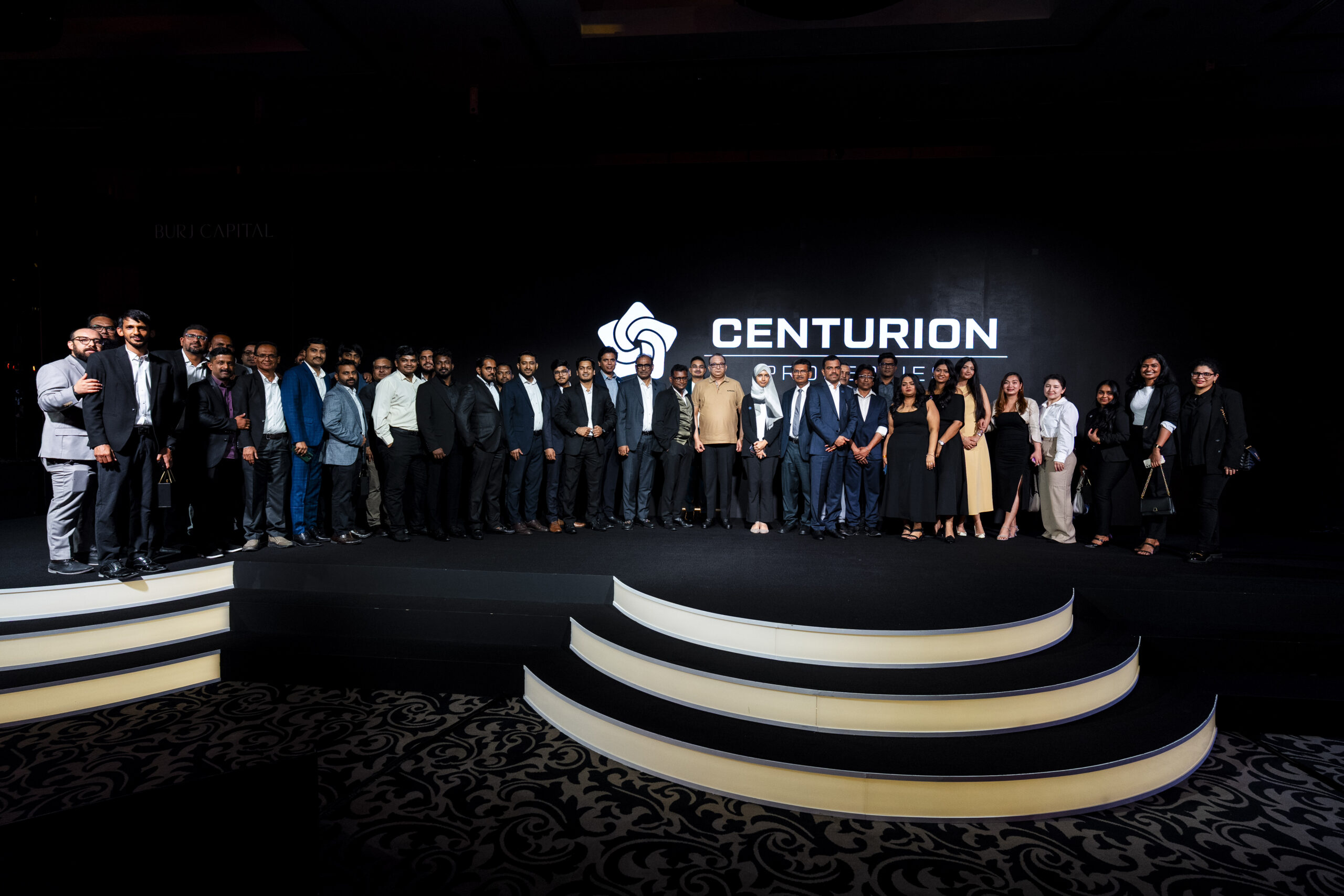
The future of the Real Estate Market in the UAE is no longer about delivering standalone residential or commercial assets it’s about shaping integrated communities that enhance lifestyle, mobility, and social interaction via Dubai Urban Master Plan 2040. Developers like Centurion Properties are leading this shift, emphasising mixed-use planning, public realm design, and community engagement as core to their project DNA.
For construction companies, sub-developers, and contractor agencies, understanding this new direction is essential to delivering projects that go beyond the built form and contribute to the social and spatial fabric of the city.
From Isolated Structures to Integrated Urban Ecosystems
1. The Rise of Sustainable Mixed Use Development
Mixed-use developments integrate residential, retail, commercial, hospitality, and recreational spaces into a single master-planned ecosystem.
Mixed Use Development Examples:
These developments support economic diversity, reduce commute times, and encourage walkability key principles of sustainable urbanism and Dubai Urban Master Plan 2040.
Developer Vision – Centurion Properties:
Centurion’s master plans now prioritize:
- Vertical zoning (e.g., retail podiums with residential towers above)
- Shared amenity platforms
- Live-work-play spaces designed around pedestrian movement
Construction Implication:
Sub-developers and contractors must adapt to:
- Multi-functional building typologies
- Integrated MEP systems across diverse occupancy types
- Coordinated delivery sequencing for different asset classes in the same footprint
Community-Centric Design as a Development Principle
2. Public Realm Activation
The public realm plazas, courtyards, pedestrian lanes, and green corridors is now treated as critical infrastructure, not leftover space.
Design Strategy:
- Seamless connectivity between zones (residential, retail, public)
- Human-scaled design to support social interaction
- Shading, seating, and water features for thermal comfort in hot climates
Centurion’s Approach:
Their projects are built around community plazas, wellness corridors, and urban pocket parks. This requires early-stage civil works planning, stormwater management integration, and landscape contractor coordination.
3. Enhancing Social Infrastructure
Beyond physical infrastructure, developers are now investing in community infrastructure, such as:
- Schools, daycares, and clinics
- Coworking hubs and libraries
- Wellness centers and fitness trails
Why Contractors Should Care:
These amenities require specialized MEP works, fire and life safety systems, and occupancy-specific design approvals.
Tip:
MEP contractors should diversify their expertise to accommodate different operational requirements for educational, recreational, and healthcare facilities under a unified contract package.
Prioritizing Quality of Life Over Built-Up Area
4. Health and Wellbeing-Oriented Planning
Developments today are driven by metrics like:
- Walkability index
- Daylight access ratio
- Air quality index (AQI) compliance indoors
Centurion Properties uses wellness metrics in their planning phase, ensuring:
- Optimized daylight penetration using solar geometry simulations
- Low-VOC material usage
- Access to greenery within 200 meters of every unit
Construction Impact:
Contractors must integrate these performance standards into their material selection, window-to-wall ratios, HVAC design, and post-construction commissioning.
5. Sustainable Mobility Integration
A key shift is the integration of transit-oriented development (TOD), cycling infrastructure, and EV charging points.
Scope of Work Additions:
- Dedicated bicycle lanes and bike storage facilities
- EV charging conduit infrastructure in basement levels
- Wayfinding systems and smart signage integration
Construction Tip:
Plan duct banks and trenching layouts to accommodate future-ready mobility solutions, and coordinate with electrical subcontractors to ensure scalable EV infrastructure.
Community Engagement as a Development Tool
6. Participatory Planning and Stakeholder Inclusion
Forward-looking developers like Centurion involve future occupants and local communities during master plan development through:
- Surveys
- Stakeholder workshops
- Digital town hall meetings
Why It’s Important:
This results in a more responsive design, fewer post-construction modifications, and increased asset value.
Contractor Involvement:
Design and build teams are now brought into the process earlier, allowing them to contribute to:
- Constructability reviews
- Value engineering exercises
- Phased delivery planning
Construction Strategies for Community-Oriented Projects
To successfully participate in these new-generation developments, construction professionals must:
- Diversify Delivery Models
Use EPC+F (Engineering, Procurement, Construction + Financing) or Design & Build models to handle complex, mixed-use scopes. - Adopt Advanced Coordination Tools
Implement BIM Level 3 and Integrated Project Delivery (IPD) frameworks for real-time collaboration between consultants, contractors, and developers. - Plan for Soft Infrastructure
Account for community management offices, IoT-enabled community dashboards, and social amenity management systems in the handover scope.
Final Thoughts: Building for People, Not Just Profits
The new urban development model in the UAE places people, community, and environment at the center. For contractors and sub-developers, aligning with developers like Centurion Properties requires a shift from build-to-spec to build-for-impact.
Success in this era depends on your ability to:
- Collaborate in multi-disciplinary, phased environments
- Translate abstract community goals into tangible construction practices
- Execute not just buildings, but livable communities